

Rugberry Journal

How Ombre Gradients Are Made in Wool
An ombre rug changes tone slowly from one end to the other. Here is how makers build that gradient in wool, and what to look for before you buy one.
Read more
Turn a rug over and its construction is plain to see. Here is what knotted, tufted and handloom backs look like, and what to check the day a rug arrives.
Read more
Why New Wool Rugs Shed and When It Settles
Fluff from a new wool rug is loose fibre left over from spinning, not the rug coming apart. Here is why it happens, what to expect and how to handle it.
Read more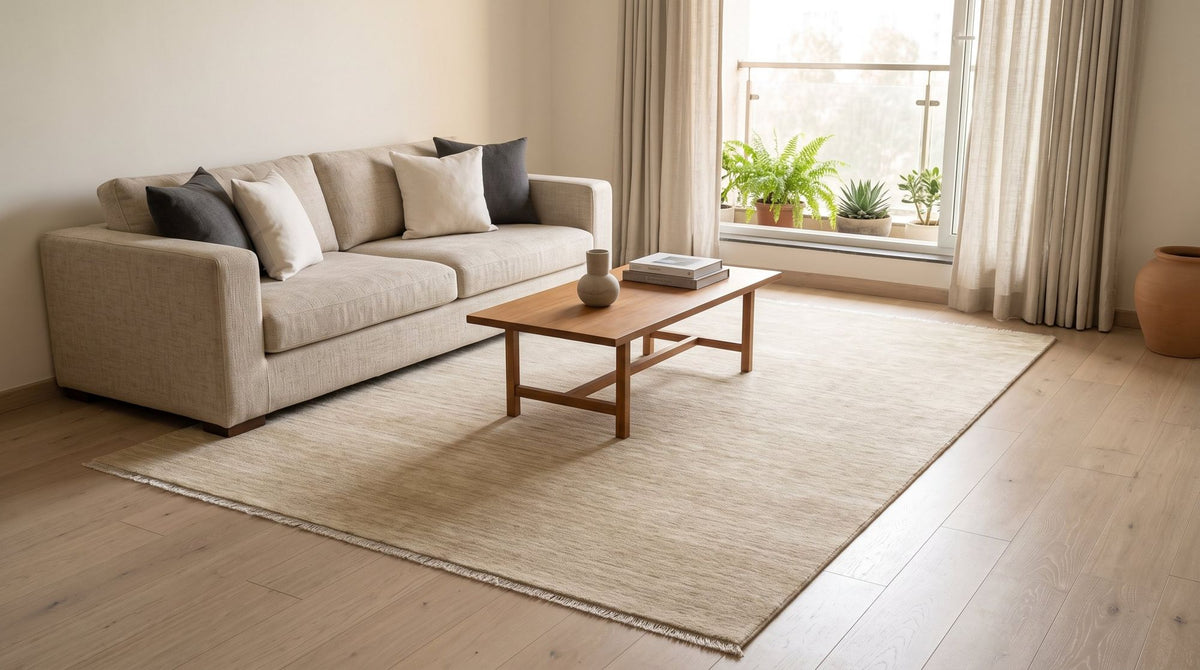
Rugs from AED 3,000 to AED 5,000: The Middle Ground
Much of the Rugberry range sits in this band. What AED 3,000 to AED 5,000 buys in wool, wool and silk, and how the price changes when you size up.
Read more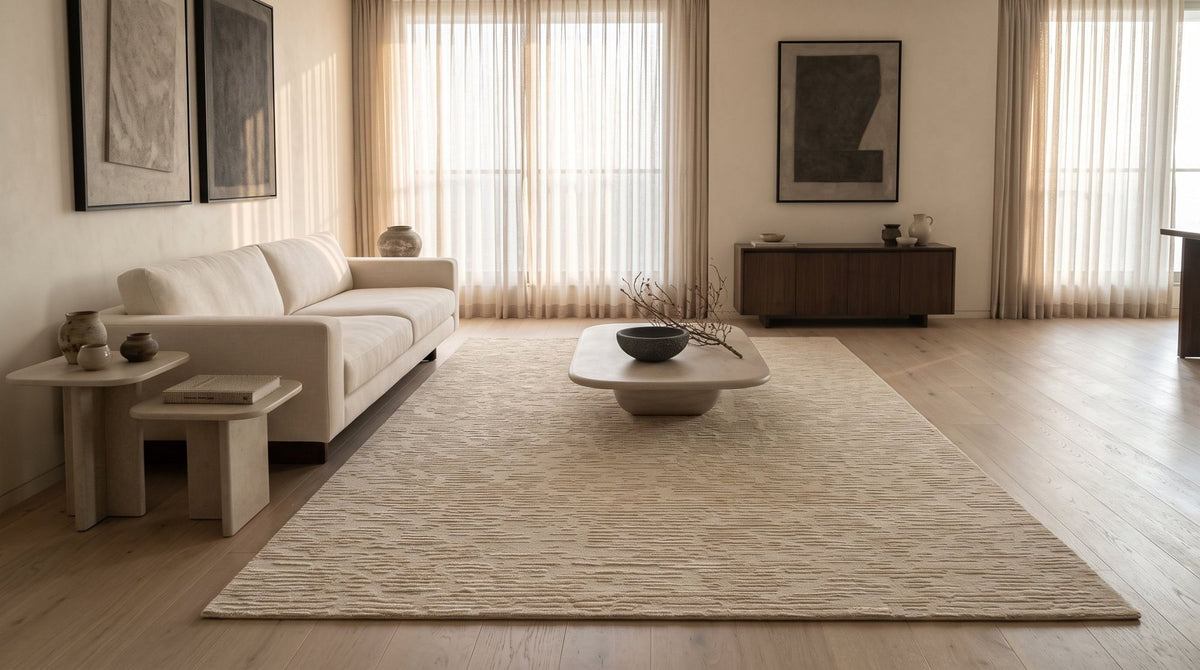
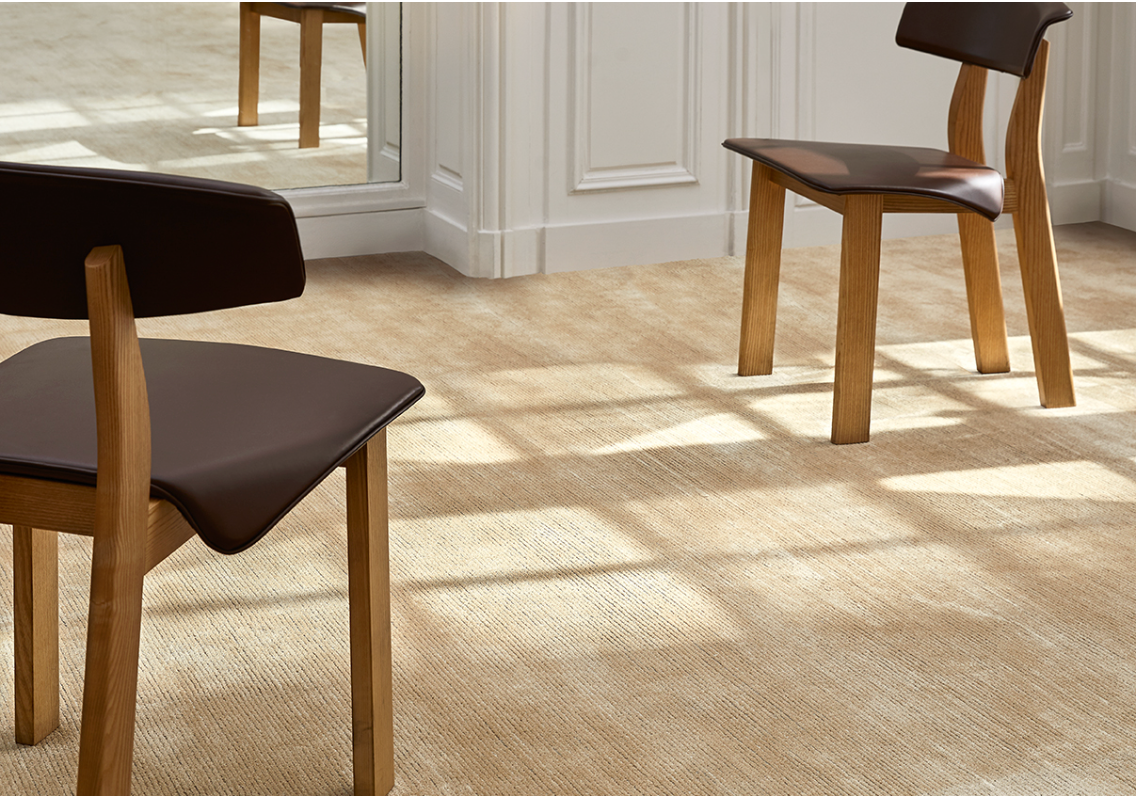
Cabella: Wool and Silk with a Low Sheen
Cabella is hand tufted in New Zealand wool and silk with a low sheen that moves with the light. Here is how its four colours behave in strong daylight and under warm lamps.
Read more
The Ombre Collection: Nine Gradations in Wool
Nine hand tufted New Zealand wool rugs, each moving slowly from one tone to another. How to choose a gradation and which way it should run.
Read more
Shaped and Irregular Rugs: Buying Beyond the Rectangle
A shaped rug can soften an open plan room or fill a bay window that a rectangle never fits. Here is where they work, how to size them and what to ask.
Read more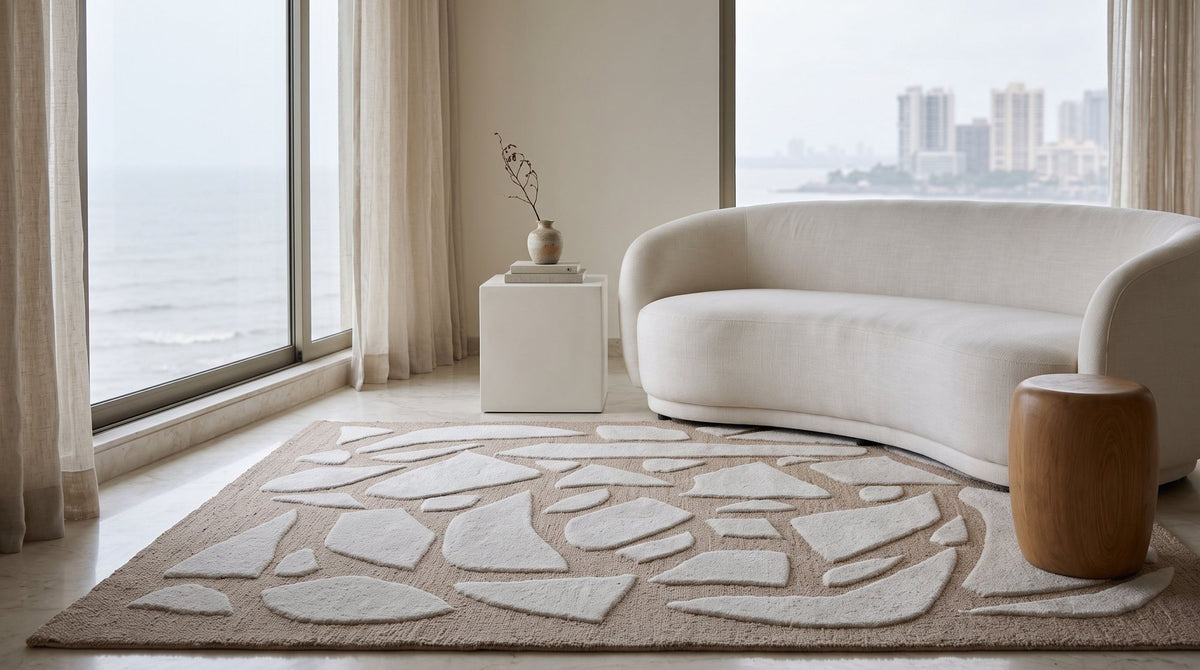
Handloom vs Hand Tufted Rugs: A Buyer's Comparison
A handloom rug is woven on a loom. A hand tufted rug is built by punching yarn through cloth. Each suits different designs, and neither wins everywhere.
Read more
Hand Knotted vs Hand Tufted Rugs: The Real Difference
Both are made by hand, but not in the same way. What separates a tufted wool rug from a knotted one, and when each is right.
Read more