

Rugberry Journal

Green Rugs: Sage, Olive and Forest
Green rugs sit well with plants, wood and white walls. Here is how to choose between sage, olive and forest, and how to keep the room from turning into a jungle.
Read more
Earthy reds and coppers suit strong sun and warm wood. Here is how to choose between a low handloom weave, a deep pile and a wool and jute rug in these tones.
Read more
Choosing a Rug Colour That Outlasts Trends
A rug colour that lasts starts with the floor and the light, not the sofa. Here is how to read both, and why restrained tones age well.
Read more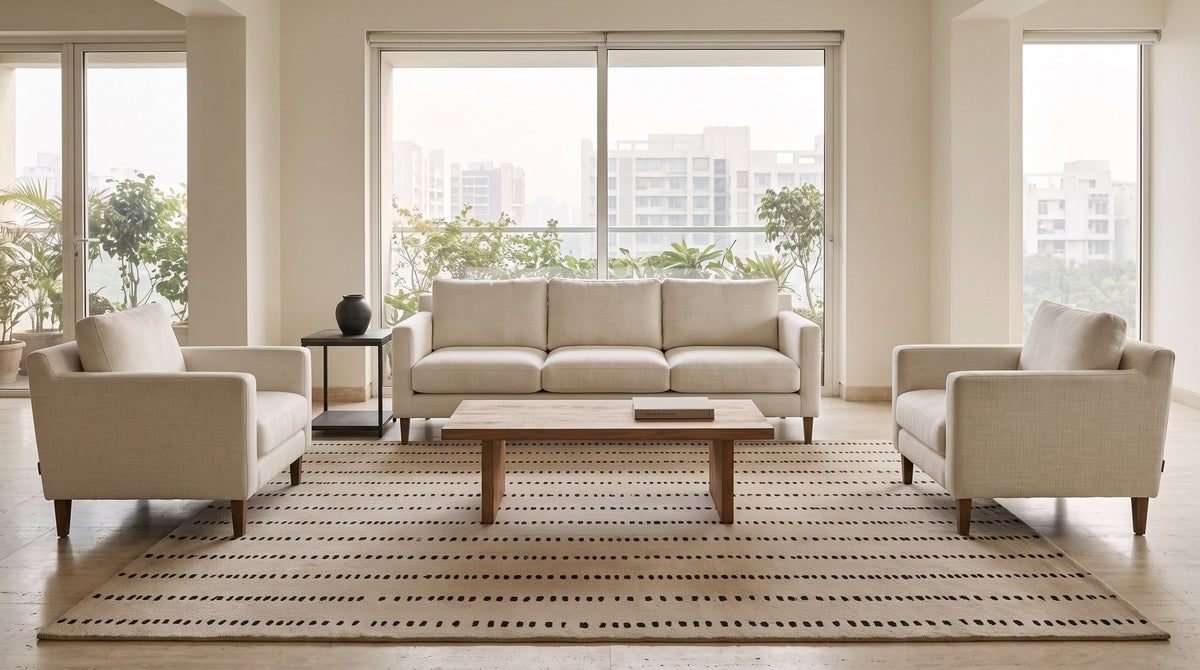
North and South Light: How Rugs Change Colour
The same rug can look grey at noon and beige at night. Window direction and LED colour temperature both shift it, and a swatch is the only true test.
Read more
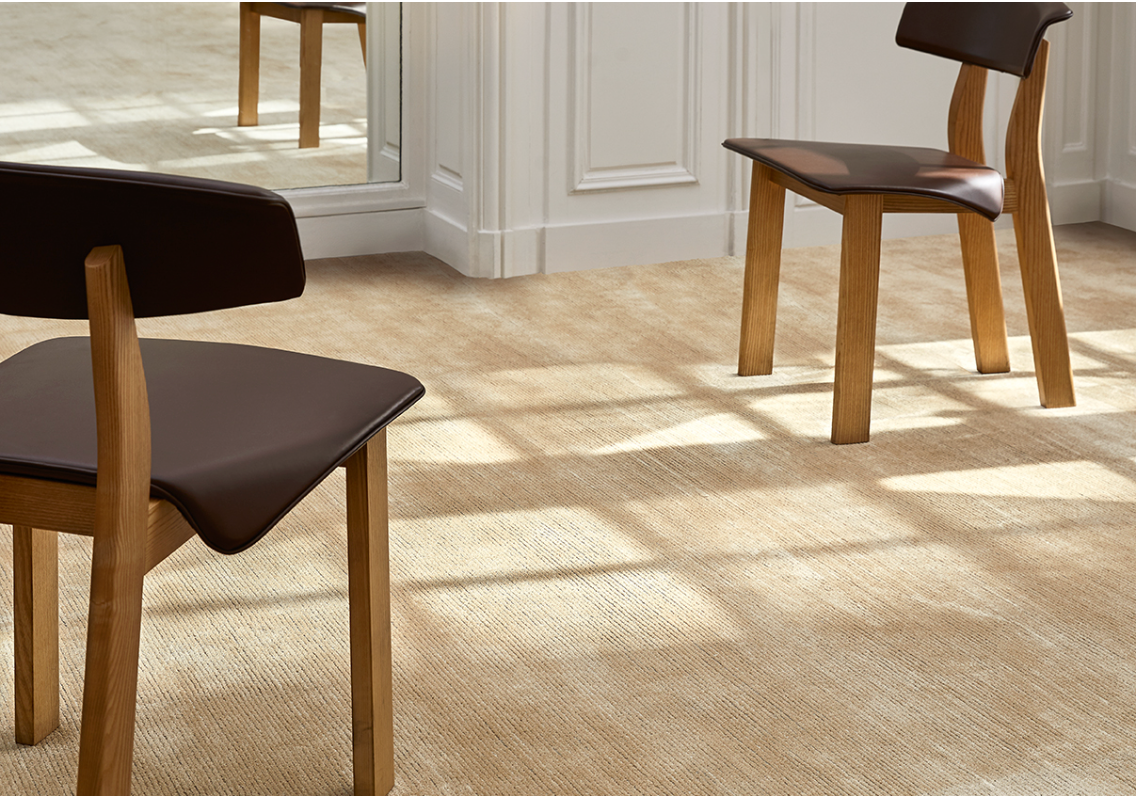
Rugs on Wooden and Laminate Floors
Laminate and engineered wood are common in apartments and villas. A rug suits them well, with a few precautions about sun, grit, backing and humidity.
Read more
Rugs on Granite, Limestone and Stone Floors
Grey stone, granite and golden limestone each have a strong colour of their own. Here is how to choose a rug that sits well on each, either in tone or in contrast.
Read more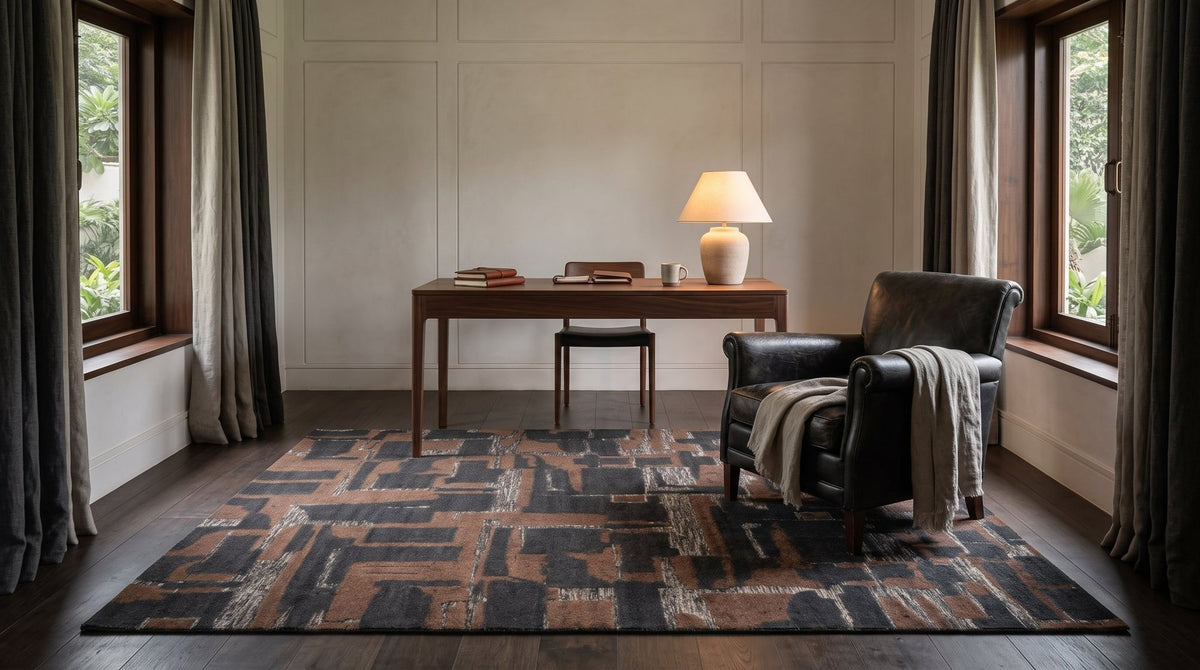
Abrash: The Tonal Shifts in Handmade Rugs
Abrash is the soft banding of tone across a hand dyed, hand knotted rug. Here is what causes it, how it differs from a fault, and what to check on delivery.
Read more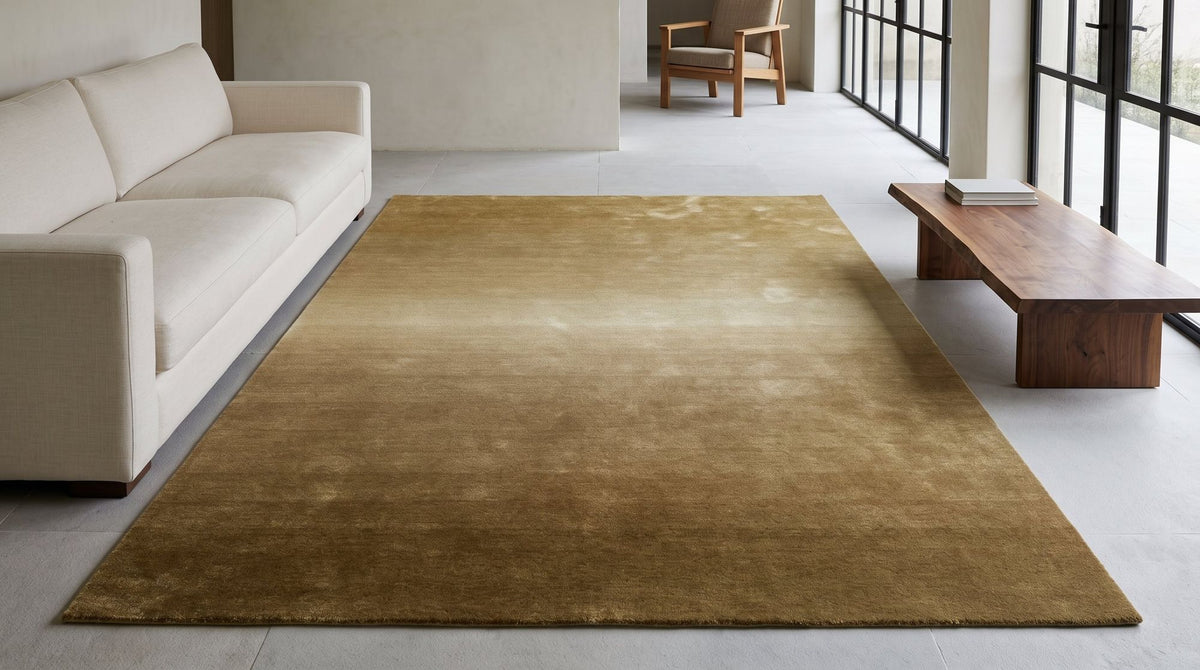
How Wool Takes Colour: Dyeing Explained
Wool yarn is dyed in batches, and no two batches are quite identical. Here is how yarn dyeing works, what a dye lot is and how to plan rugs that must match.
Read more
Rug Colour Online: Why Photos and Rooms Differ
A rug photographed in a studio meets your light, your floor and your screen. Here is why the colour shifts, and how to judge it before you buy.
Read more
Why Order a Rug Swatch Before You Buy
A swatch is a 30 x 30 cm square of the real rug. Here is how to test it in your own light and against your own furniture before you commit.
Read more