Custom Rug Sizes for American Homes: Beyond the Standard 8x10
Walk into almost any rug store in the United States and you will find the same four sizes: 5x8, 6x9, 8x10 and 9x12. Rooms, however, do not come in four sizes. Open-plan living areas, sectional sofas, kitchen islands that drift into dining space, none of it maps neatly onto a stock rectangle. The result is familiar to anyone who has shopped for a rug: the 8x10 that floats awkwardly in the middle of the room, or the 9x12 that runs into the fireplace hearth.
Why standard sizes fall short
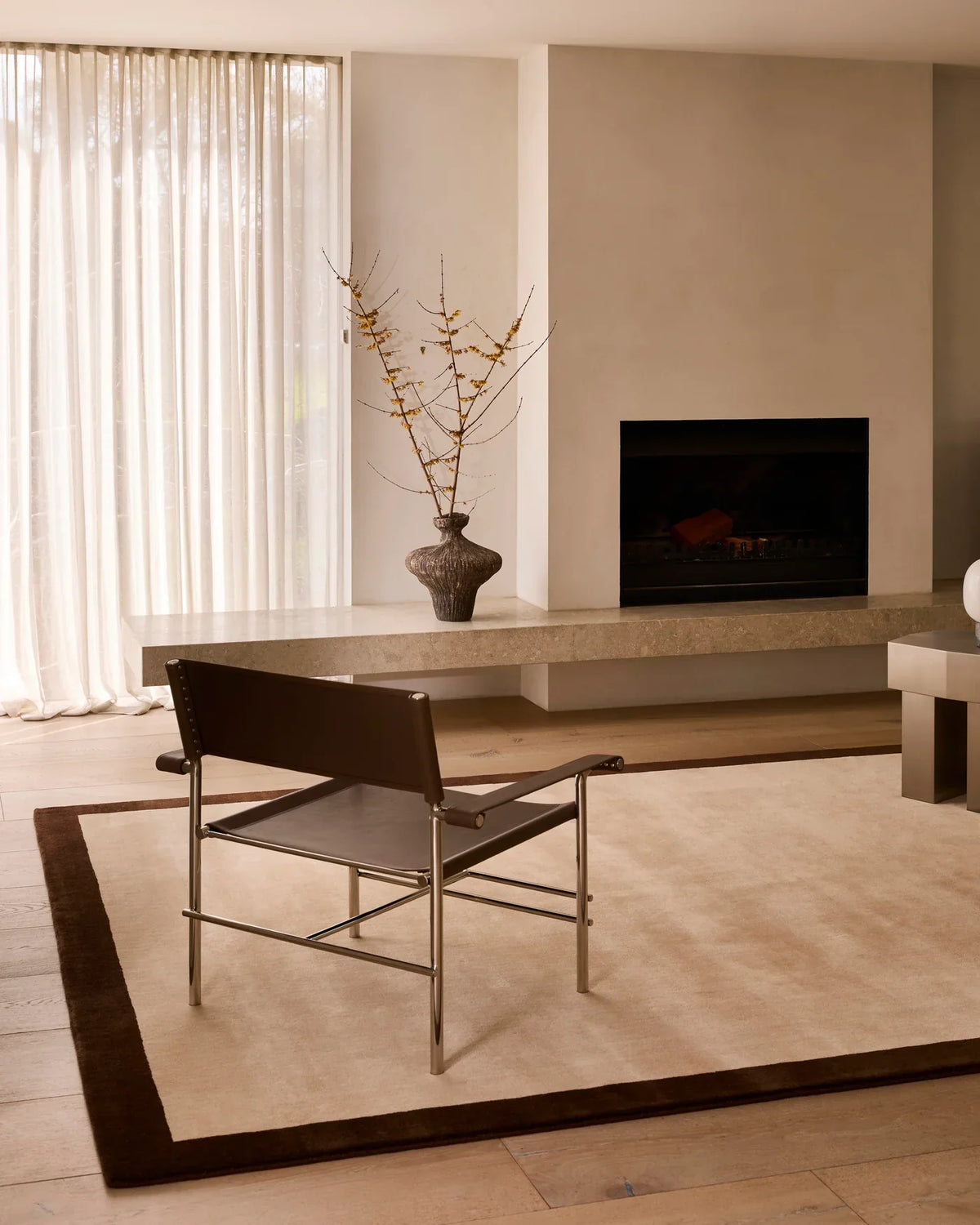
A rug sets the boundary of a seating area. The most common sizing mistake in American living rooms is a rug that is too small, with only the coffee table sitting on it and every sofa leg on bare floor. Designers generally work the other way: front legs of every seating piece on the rug, 8 to 10 inches of floor showing between rug and wall, and the rug shaped to the room rather than the room arranged around the rug.
With stock sizes, that standard is often simply not achievable. A 13 foot wall of sectional needs more than a 9x12 can give. A long, narrow great room wants something closer to 10x16, a size that barely exists off the shelf.
What made to measure actually means
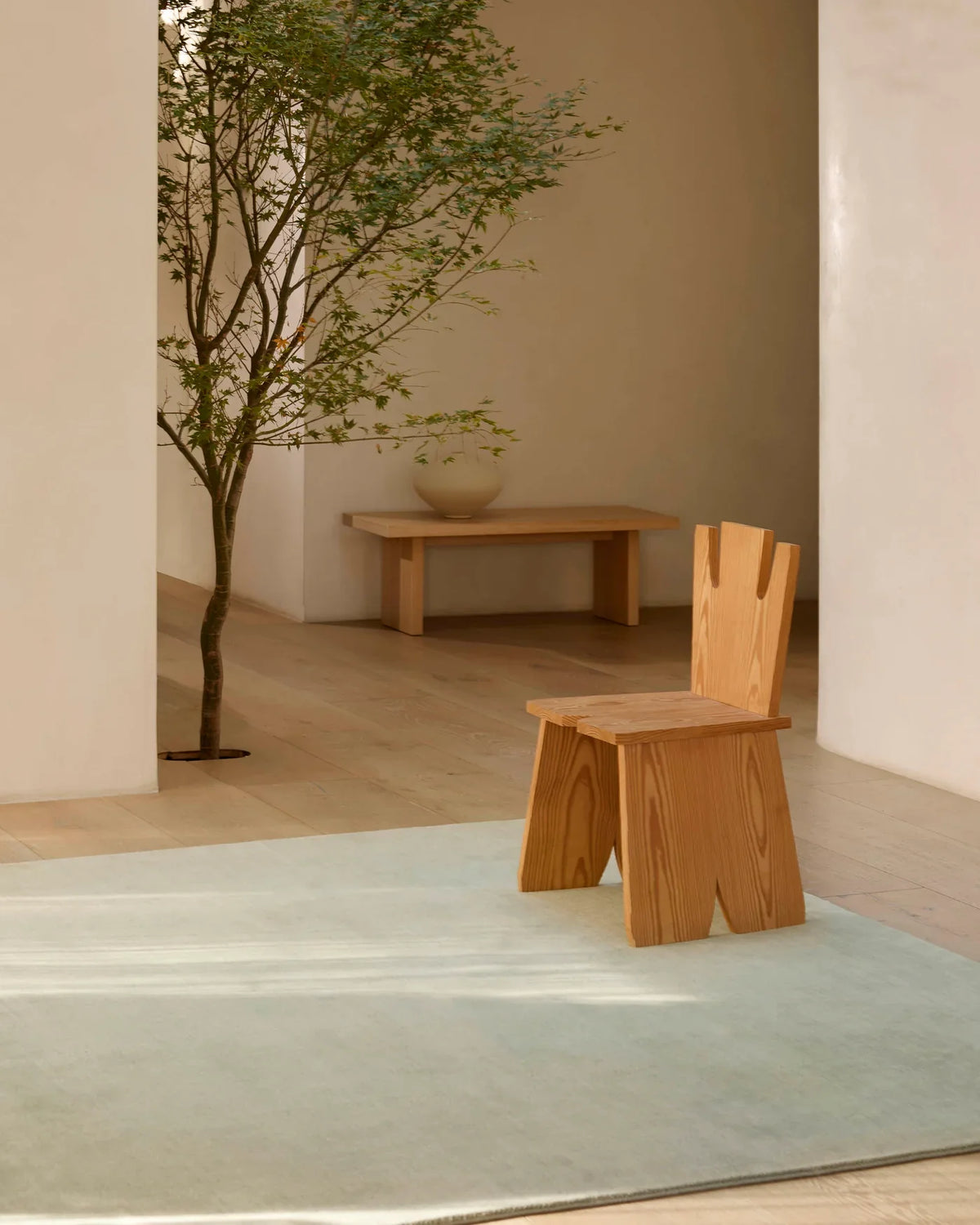
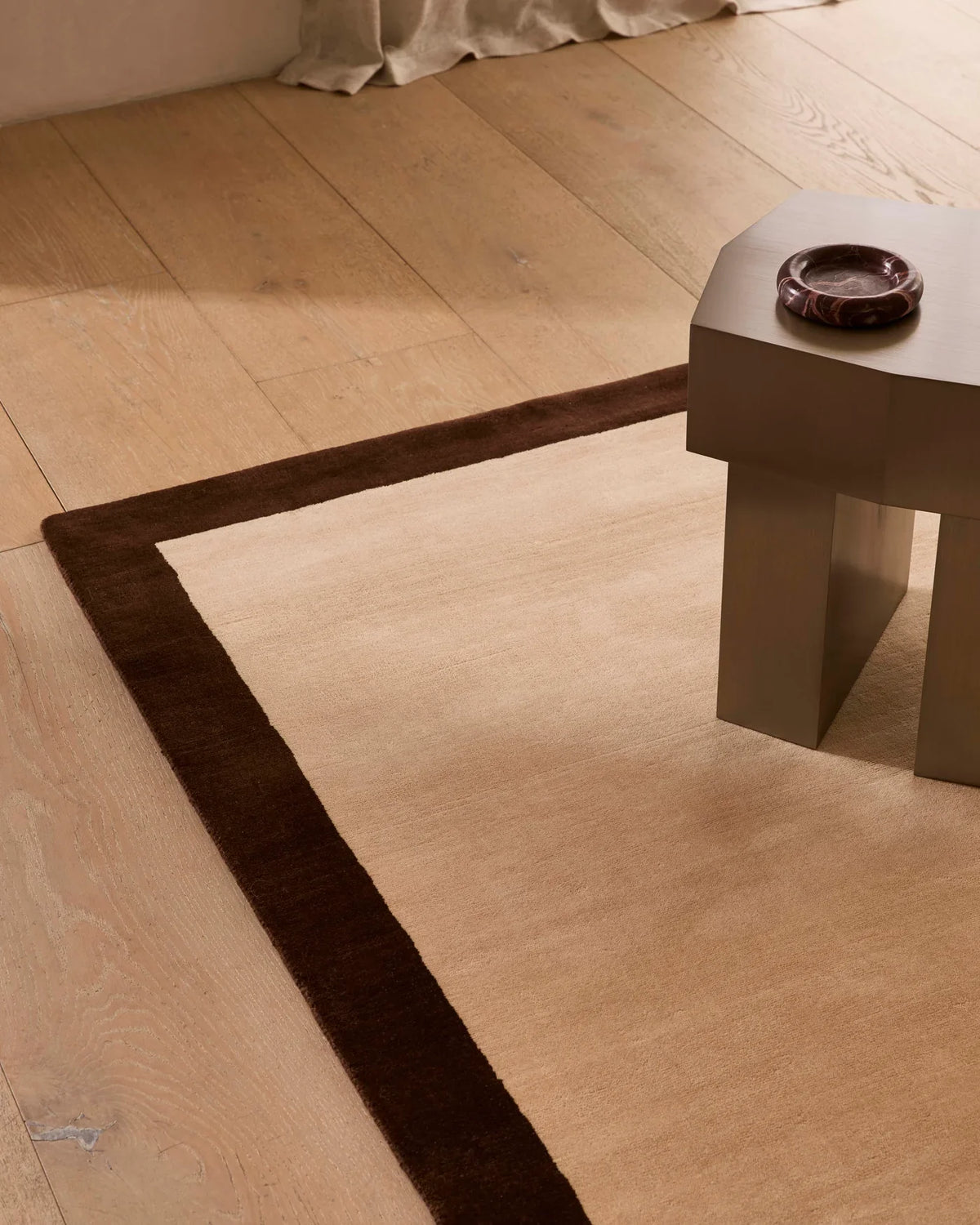
A made to measure rug is not a stock rug cut down. It is woven or tufted from the start at your dimensions, in your choice of material and colour. At Rugberry every design on the site can be ordered this way: you send the dimensions, we confirm the drawing, and the rug is made by hand for that room.
That includes shapes stock retail rarely offers. Rounds above 8 feet in diameter, squares, long runners for galleries and hallways, and irregular shapes traced from a floor plan.
How sizing a custom rug works
The process is simpler than most people expect. Measure the room, or share the floor plan with the furniture marked. From there the sizing follows a few reliable rules. In a living room, the rug should reach under the front third of every seating piece. In a dining room, chairs should stay on the rug even when pulled out, which means the table length plus roughly 48 inches in both directions. In a bedroom, the rug should extend at least 18 inches beyond the sides of the bed, more for a king.
If two layouts are possible, we draw both to scale against the floor plan before anything is made.
The rooms themselves differ by city. A prewar apartment in New York asks for something quite different from an open plan in Los Angeles or a waterfront condo in Miami, and the sizing follows the room.
Material, climate and American interiors
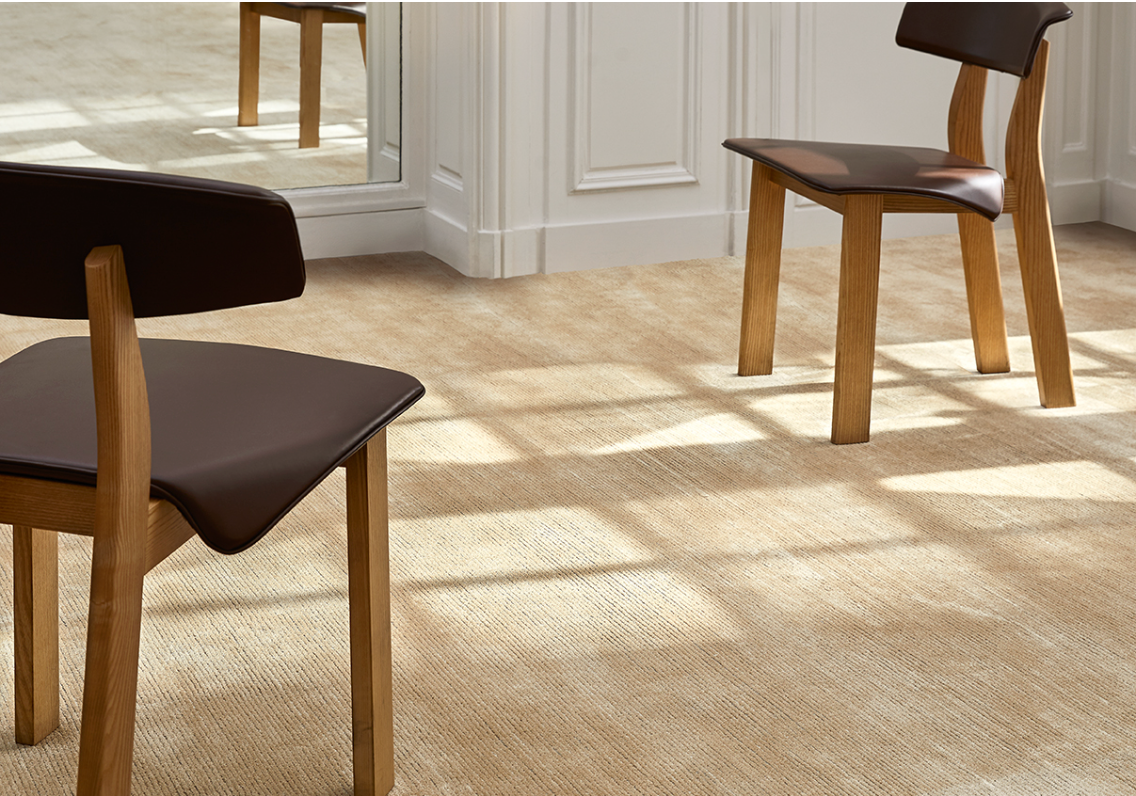
New Zealand wool remains the most requested material for American living spaces, dense, soft and forgiving in high traffic. Wool and silk blends suit formal living and dining rooms, where the silk picks up light at seated eye level. Pure silk belongs in bedrooms and low traffic rooms. For homes with pets and young children, a deep pile wool hides a great deal and cleans well.
Timelines and delivery to the USA
A made to measure rug is produced by hand, and honest timelines matter. Hand-tufted pieces typically take 6 to 8 weeks, handwoven and hand-knotted pieces longer, depending on size. Delivery to the United States is by air freight, fully tracked, with duties handled in the quote so the price you approve is the price you pay.
A custom rug is not a luxury reserved for designers. For most rooms it costs meaningfully less than people assume, and it solves the one problem no stock size can: the room you actually have.